by Athina Bardho
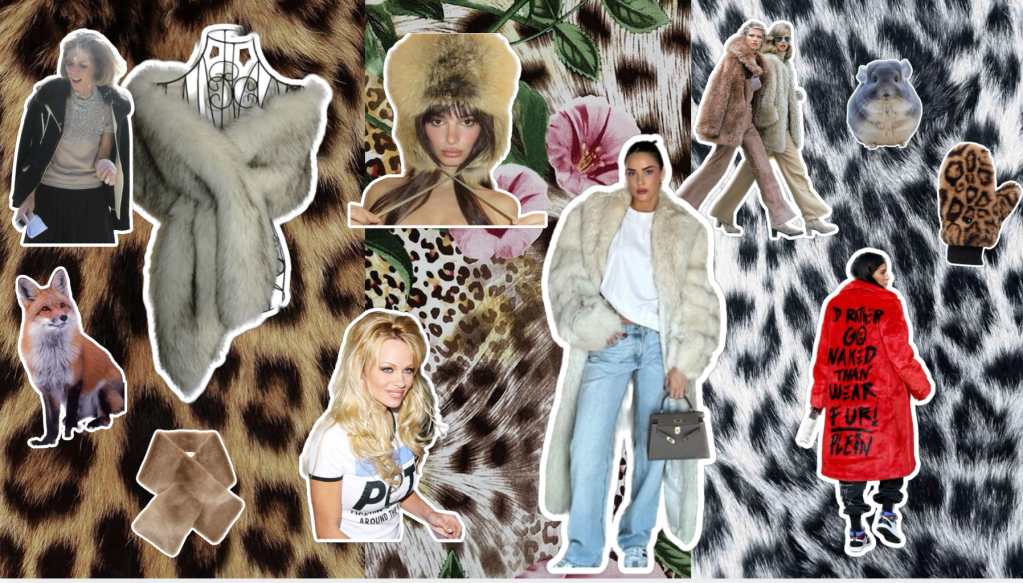
In the ever-evolving world of fashion, where trends come and go faster than you can say „must-have,“ the debate over real fur versus faux fur has never been more heated. As consumers increasingly embrace sustainability and ethical practices, the fashion industry finds itself at a crossroads. On one side, you have the luxurious allure of real fur—prized for its unmatched warmth and timeless appeal. On the other, faux fur has stepped into the spotlight, flaunting its sophisticated craftsmanship and ethical stance. With high-end brands like Gucci and Versace pledging to go fur-free, while heritage houses like Tsontos Furs champion the artistry of real fur, the conversation is as complex as the materials themselves.
As we delve deeper into this luxurious dilemma, we’ll explore not only the craftsmanship behind these coveted garments but also the ethical considerations that come with them. With fashion icons and influencers shaping our perceptions, it’s time to unravel the truth behind these materials and discover what really lies beneath the surface of style. By exploring the diverse perspectives of stakeholders—from luxury fashion houses to Indigenous communities—I aim to reveal the complexities of this issue, helping consumers discover insights that enable them to make informed decisions in their fashion purchases.
- A Visit to Tsontos Furs: The Value of Real Fur
- The Craftsmanship Behind Real Fur Coats
- The Process of Making a Fur Coat
- The History of Fur Coats
- The Cultural Significance of Fur Coats
- Ethical Principles and the Great Chain of Being
- The Faux Fur Movement
- Luxury Fashion Brands and the Fur Debate
- Consumer Choices and Individual Responsibility
- Navigating the Future of Fur in Fashion
A Visit to Tsontos Furs: The Value of Real Fur
Recently, I had the unique opportunity to visit Tsontos Furs, a long-standing business renowned for its high-quality fur coats. Owned by Bill Greene, a passionate member of the Mineola Chamber of Commerce, Tsontos Furs exemplifies the craftsmanship and longevity that real fur can offer. During my visit, I was struck by Greene’s dedication to the fur industry and the belief that fur coats are more than just fashion items—they are long-term investments.
The Craftsmanship Behind Real Fur Coats
Bill Greene provided an inside look at the intricate process of creating a fur coat. He emphasized that real fur’s timeless appeal makes it a valuable addition to anyone’s wardrobe. What stood out during the tour was the transformation of old fur coats, passed down through generations, into new and contemporary designs. This not only highlights the craftsmanship involved but also the sustainable aspect of reusing and revitalizing existing materials.
Tsontos Furs offers a variety of services, including custom alterations, cold storage, and maintenance, ensuring that these exquisite garments can remain in top condition for decades. Greene’s commitment to quality and longevity aligns with a growing consumer interest in sustainable fashion practices, making real fur a compelling option for those seeking both luxury and durability.

The Process of Making a Fur Coat
Understanding the journey of a fur coat from sourcing to finished product is crucial in appreciating its value. Greene explained that pelts are primarily acquired through recognized auctions worldwide, including countries like the USA, Finland, Denmark, and Greece. Animals such as mink, fox, and chinchilla are often farmed specifically for their fur.
Once acquired, the pelts are sorted by color, size, and quality before being meticulously cut into strips and sewn together. This not only improves the coat’s insulation but also its strength. The fur undergoes a washing process to soften and fluff the hairs, giving the final product its signature texture. Finally, finishing touches—such as buttons, clips, and linings—are added, followed by a thorough quality check to ensure that every coat meets the highest standards.

The History of Fur Coats
The history of fur coats is deeply intertwined with culture, fashion, and societal status, dating back to ancient civilizations. In ancient Egypt, the exclusive right to wear luxurious furs like ermine, mink, or chinchilla was reserved for kings and high priests. These elite figures donned fur during ceremonial events, underscoring its significance as a symbol of power and wealth.
The late 19th century marked a transformative period in the fur industry, particularly in North America. The establishment of fur farms revolutionized how fur was produced and consumed. As the demand for fur increased, fashion played a pivotal role in this resurgence. By the end of the 19th century, fur began to transition from its traditional use in men’s hats to women’s outerwear. This shift was significant, as fur was no longer just a functional material for warmth; it became a fashionable statement.
During this period, fur linings, once confined to the interiors of coats, began to adorn the exteriors, creating increasingly elaborate designs featuring wide collars and cuffs. By the 1920s, fashion houses expertly sewed fox furs together to create complete jackets, along with a range of stylish accessories such as shawls, scarves, and capes.
As the early 20th century progressed, fur farming embraced modern scientific methods, enabling a growing number of farmers to raise foxes and other animals specifically for their fur. This advancement significantly increased fur production, making it more accessible. Perhaps most crucially, fur farms allowed farmers to selectively breed animals for desired colors and textures, ensuring that their offerings aligned with the dynamic demands of the fashion industry. This combination of scientific innovation and creative design solidified fur’s place as a coveted luxury item, establishing its lasting presence in the world of fashion.
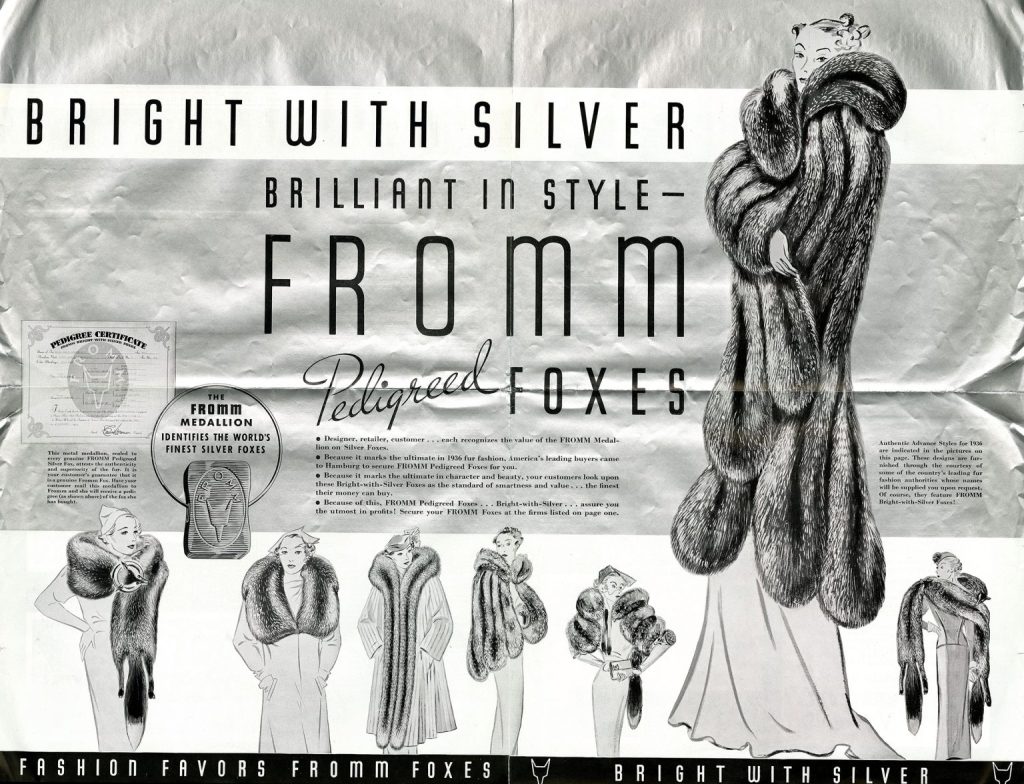
An advertisement for Fromm furs using their “bright with silver” slogan and printed on metallic silver paper, Women’s Wear Daily, March 11, 1936.
The Cultural Significance of Fur Coats
Fur coats have long served as powerful symbols of status, wealth, and cultural identity across various societies. Historically, garments made from rare and luxurious animal fur have denoted membership in elite social circles, showcasing one’s affluence and taste. In many cultures, the use of fur transcends mere fashion; it embodies a complex interplay of tradition, environmental respect, and artisanal craftsmanship.
As society becomes increasingly aware of ethical considerations surrounding animal rights and sustainability, the conversation about fur has evolved, leading to contrasting practices and philosophies around its use. To understand these differences, we can explore specific cultural contexts, such as the Russian tradition of the shuba and the practices of Indigenous communities.
The Russian Tradition of the Shuba
In Russia, the shuba—a term derived from the Arabic word “jubba,” meaning “long-sleeved overcoat”—has deep historical roots and is closely associated with wealth and power. Since ancient times, wearing a shuba has been a clear indicator of social status, primarily due to the high cost of fur. To create even a knee-length shuba, furriers needed the pelts of 50 to 60 marten or silver foxes, which were both rare and expensive. In contrast, ordinary citizens typically wore coats made from more affordable materials like sheep or hare fur.
The shuba gained particular prominence among high-ranking Mongol commanders, who utilized Russian furs to craft these luxurious garments. These leaders wore their shubas in distinct ways—one with the fur facing inward for warmth and another with the fur outward for display. This practice of showcasing wealth influenced Russian princes and boyars, leading them to adopt similar styles, including the incorporation of fur into their crowns, following Mongol traditions.
Beyond being a fashion statement, fur also played a significant role in the Russian economy. In the Kievan Rus’ era, fur served as a form of currency, traded for silver and gold, which facilitated the minting of precious metal coins. Following the Mongol-Tatar invasion in the 13th century, various Russian regions were required to pay tributes in fur, such as the Novgorod region, which had to provide black sable pelts. Wealthy Russians favored shubas with fur on the inside, often crafted from luxurious materials like brocade, satin, or velvet, embellished with gold embroidery and precious stones. Shubas became a staple of festive attire, with some individuals wearing multiple layers to signify their status, even in warm summer months.

Indigenous Practices with Fur
In contrast to the Russian tradition, many Indigenous communities possess a deeply ingrained relationship with fur that transcends fashion and status. For these cultures, fur embodies a holistic approach that emphasizes sustainability, respect for the environment, and a profound connection to nature. Hunting for fur is often accompanied by a commitment to utilize the entire animal for food and other cultural practices, ensuring that nothing goes to waste. This respect for the animal reflects traditional values passed down through generations.
Artists from Indigenous communities often incorporate fur into their work, understanding its historical and cultural significance. They typically embrace a zero-waste philosophy, ensuring that every part of the animal is utilized. This approach stands in stark contrast to the mainstream fur industry, which has faced criticism for its mass-production methods and potential inhumane practices.
While both Russian and Indigenous practices involve the use of fur, they diverge significantly in their underlying philosophies. The Russian tradition often emphasizes luxury and status, while Indigenous practices focus on sustainability and a deep respect for the animal and the environment. As the conversation surrounding fur continues to evolve, the contrasting approaches of these two cultures provide valuable insights into how we can navigate contemporary discussions on ethical fashion and cultural heritage. By understanding the cultural significance of fur coats in both contexts, we can appreciate the complexity of this material and its implications for fashion today.
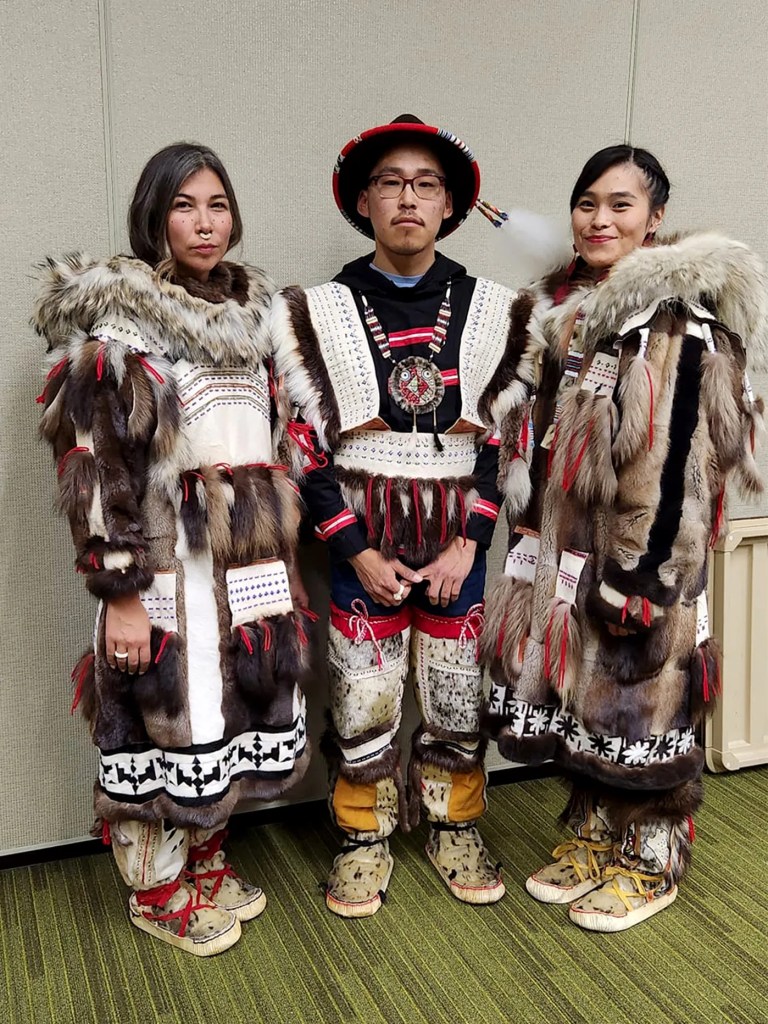
Golga Oscar (center), a Yup’ik artist based in Bethel, Alaska Photo: Courtesy of Golga Oscar
Ethical Principles
The ethical treatment of animals has deep historical roots in Western thought, where philosophical inquiries have shaped societal attitudes toward nonhuman beings. Central to these discussions is the concept known as the Great Chain of Being, which posits a hierarchical structure of life. According to this framework, all entities exist in a predetermined order of complexity and perfection, with humans at the apex due to their rationality. This hierarchical view has significantly influenced the ethical principles governing the treatment of animals throughout history.
The Great Chain of Being
Originating from ancient philosophical traditions, the Great Chain of Being presents a universe where each form of life is considered a link in a chain, existing for the sake of those above it. Early thinkers like Aristotle argued that animals had intrinsic value and lived for their own sake; however, he also contended that nature created animals primarily for human benefit. This dual perspective allowed the justification of exploiting animals under the belief that their existence was subordinate to that of humans. Aristotle’s concept of the Great Chain of Being has had a lasting impact on the ethical framework surrounding animal treatment. This perspective has been used to rationalize various practices, from hunting for food to using animals in fashion.
In contemporary discussions surrounding real versus faux fur, the Great Chain of Being raises crucial ethical questions. As society becomes increasingly aware of animal rights, many argue that the traditional hierarchical view needs reevaluation. This shift emphasizes the intrinsic value of all beings and calls for a more compassionate approach to how we treat animals. The debate over fur exemplifies this tension, as advocates for animal rights argue that all animals deserve consideration and respect, while proponents of the fur industry highlight the cultural, historical, and artisanal significance of fur.
Animal Rights Activism
As a leading organization in the animal rights movement, PETA (People for the Ethical Treatment of Animals) has played a significant role in shaping public perceptions of fur fashion. With a mission to raise awareness about the ethical treatment of animals, PETA has launched numerous campaigns aimed at educating consumers about the realities of the fur industry and advocating for cruelty-free alternatives.
ETA’s campaigns often employ striking imagery and emotional appeals to highlight the suffering of animals in fur production. Through graphic advertisements, videos, and high-profile celebrity endorsements, the organization seeks to inform the public about the harsh realities of fur farming, including the inhumane treatment of animals. PETA’s initiatives often encourage consumers to reconsider their fashion choices and opt for cruelty-free alternatives, leading to a broader conversation about ethical consumerism.
A Star-Studded Stand PETA has successfully enlisted numerous celebrities to advocate against fur use, amplifying their message to a wider audience. Figures like Naomi Campbell, Ellen DeGeneres, and Khloé Kardashian have publicly pledged to abstain from wearing fur, using their platforms to inspire change. These celebrity endorsements have proven effective in reshaping public attitudes, making fur less socially acceptable in the fashion world.
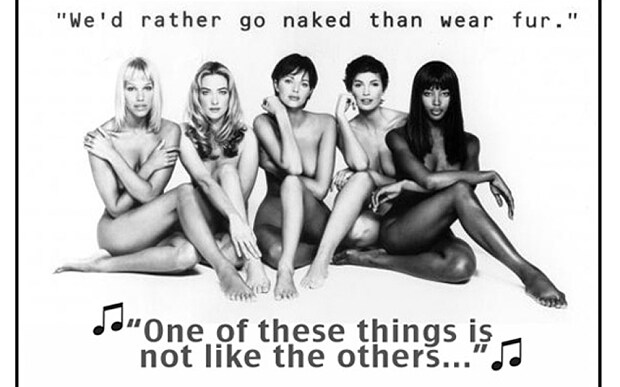
„I´d rather go naked than wear fur“ 1994 Campaign PETA
Navigating Choices in Fashion
In response to the evolving ethical landscape, the concept of ethical consumerism has gained traction. Consumers are now more inclined to consider the moral implications of their purchases, and the fashion industry is adapting to this demand. A growing number of brands are prioritizing transparency, sustainability, and ethical sourcing in their production processes, leading to the rise of alternative materials and practices.
The Rise of Sustainable Fashion
As consumers increasingly demand ethical options, fashion brands are exploring innovative materials to replace traditional fur. Some brands are developing faux fur made from recycled plastic bottles, while others are experimenting with plant-based alternatives. These materials provide a more sustainable option without sacrificing the luxurious look and feel that many consumers desire.
The Role of Certifications
With the surge in ethical consumerism, certifications have emerged as vital tools for consumers to navigate their choices. Organizations like the Responsible Fur Council and the Fur Institute of Canada promote ethical fur practices, ensuring that consumers can make informed decisions. Such certifications help to create accountability within the industry and encourage brands to adhere to higher ethical standards.
The Impact of Influencers and Activism
The rise of social media has amplified the voices of activists and influencers advocating for ethical fashion. Many fashion influencers now promote sustainable and cruelty-free brands, encouraging their followers to reconsider their purchasing habits. This movement has fostered a sense of community among consumers who prioritize ethical considerations in their fashion choices.
The Faux Fur Movement
While faux fur is often lauded as a more ethical alternative to real fur, the discussion surrounding its sustainability and ethical implications is far from straightforward. Many consumers opt for faux fur to avoid supporting the real fur industry; however, this choice raises questions about the environmental impact of synthetic materials.
Environmental Concerns
Faux fur is primarily made from synthetic fibers like polyester, which are derived from petroleum-based sources. The production of these materials can lead to significant environmental consequences, including carbon emissions and plastic pollution. Moreover, synthetic fur is not biodegradable, which raises concerns about its long-term impact on the environment.
Microplastic Pollution
A major concern associated with faux fur is the release of microplastics during washing. When faux fur garments are laundered, tiny plastic fibers can enter waterways, contributing to the growing issue of ocean pollution. This has sparked discussions about the true sustainability of faux fur as an alternative to real fur.
Misleading Perceptions
The perception that faux fur is inherently more ethical than real fur can also be misleading. Some consumers may assume that purchasing faux fur absolves them of ethical responsibility, but this oversimplification fails to acknowledge the broader environmental implications. Ethical consumerism requires a more nuanced understanding of both materials and their impact on the planet.
Luxury Fashion Brands and the Fur Debate
As the conversation around fur continues to evolve, many luxury fashion brands have reevaluated their stance on real fur. High-profile designers and brands are making bold moves to embrace cruelty-free alternatives, signaling a shift in industry standards.
In recent years, brands like Gucci and Prada have publicly committed to eliminating real fur from their collections. Gucci’s announcement in 2017 was particularly significant, as it represented a turning point for the luxury fashion industry. The brand’s creative director, Alessandro Michele, expressed a desire to promote a more compassionate approach to fashion, aligning with changing consumer values.
The influence of celebrities in the fur debate cannot be understated. Many high-profile figures have taken a stand against fur, raising awareness and encouraging their fans to consider ethical fashion choices. Celebrities like Emma Watson, who frequently champions sustainable fashion, have become powerful advocates for cruelty-free alternatives.
As established luxury brands move away from real fur, a new generation of emerging designers is embracing sustainable practices. Brands like Stella McCartney have made a name for themselves by championing ethical fashion and offering high-quality alternatives to traditional materials. These brands are reshaping the industry landscape by prioritizing sustainability and ethical considerations in their designs.
Consumer Choices and Individual Responsibility
Ultimately, the decision between real and faux fur lies in the hands of consumers. As ethical consumerism continues to grow, individuals have the power to influence the fashion industry through their purchasing choices. Here are some key considerations for navigating this complex landscape:
- Educate Yourself:
Understanding the implications of your fashion choices is crucial. Research the brands you support, examine their sourcing practices, and consider the environmental impact of the materials they use. By becoming a more informed consumer, you can make choices that align with your values.
- Prioritize Quality Over Quantity:
In a fast-fashion world, prioritizing quality over quantity can lead to more sustainable fashion choices. Invest in well-made garments that will stand the test of time, reducing the need for frequent replacements. This approach aligns with the ethos of slow fashion, promoting thoughtful consumption and minimizing waste.
- Embrace Secondhand and Vintage Fashion:
Exploring secondhand and vintage options can significantly reduce the environmental impact of fashion. By breathing new life into pre-loved garments, you contribute to a more sustainable fashion cycle while discovering unique pieces that tell their own stories.
- Support Ethical Brands:
As you navigate the fashion landscape, support brands that prioritize sustainability, transparency, and ethical practices. By choosing to invest in companies that align with your values, you encourage a shift towards more responsible fashion practices across the industry.
Navigating the Future of Fur in Fashion
The debate between real and faux fur is a reflection of broader societal changes in how we view animals, the environment, and the fashion industry. As we move forward, it is essential to recognize the complexities of this issue and the diverse perspectives involved.
While real fur carries a rich cultural history and artisanal value, the growing awareness of animal rights and sustainability challenges us to reevaluate our choices. Conversely, faux fur presents its own ethical dilemmas, raising questions about environmental impact and consumer responsibility.
As consumers, we hold the power to shape the future of fashion through our choices. By prioritizing ethical considerations and supporting sustainable practices, we can contribute to a more compassionate and environmentally conscious industry. In this era of ethical consumerism, it is our collective responsibility to navigate the complexities of the real versus faux fur debate, ensuring that our fashion choices reflect our values and contribute to a better world.
 Athina Bardho
Hinterlasse einen Kommentar