by Athina Bardho
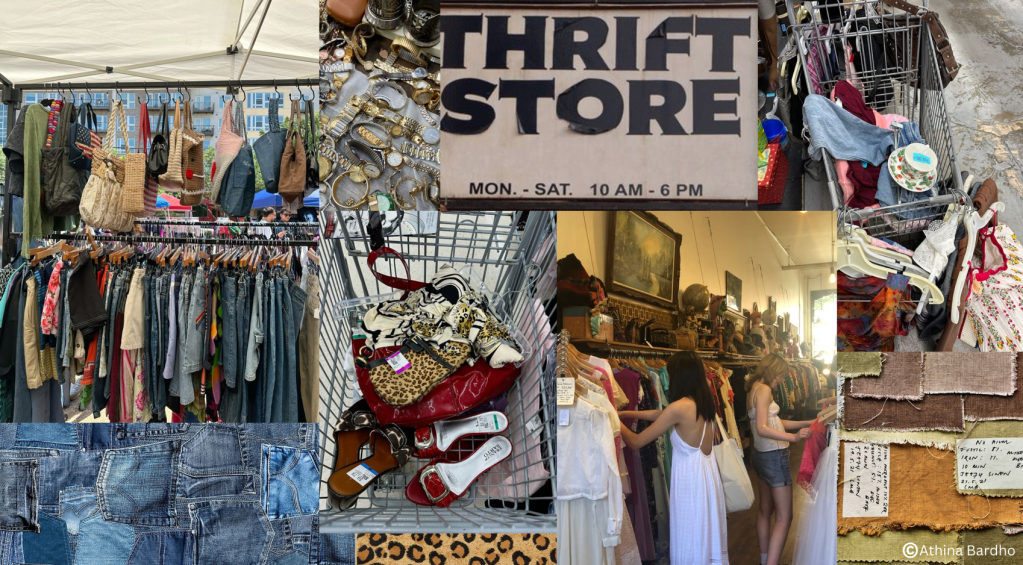
In recent years, the fashion industry has witnessed a significant shift towards sustainability and conscious consumerism. At the forefront of this movement are vintage and second-hand stores, which have experienced a remarkable surge in popularity. This blog post explores the growing trend of vintage and second-hand fashion, its impact on the industry, and strategies for success in this burgeoning market.
The Resurgence of Vintage and Second-Hand Fashion

The fashion resale market has experienced exponential growth, driven by changing consumer attitudes and a growing emphasis on sustainability. According to ThredUp’s 2021 Resale Report, the secondhand market is projected to double in the next 5 years, reaching $77 billion (ThredUp, 2021). This growth is outpacing the broader retail sector, indicating a significant shift in consumer preferences.Key factors contributing to this trend include:
- Increased environmental awareness: Consumers are becoming more conscious of the environmental impact of fast fashion and are seeking sustainable alternatives.
- Desire for unique, one-of-a-kind pieces: Vintage and second-hand items offer individuality in a world of mass-produced fashion.
- Cost-effectiveness of second-hand shopping: With rising living costs, many consumers are turning to second-hand options as a way to save money without compromising on style.
- Growing appreciation for vintage aesthetics: There’s a renewed interest in fashion from past decades, driven by nostalgia and cyclical fashion trends.
- Influence of social media: Platforms like Instagram and TikTok have popularized vintage fashion and thrifting culture among younger generations.
The Benefits of Vintage and Second-Hand Stores
For retailers, entering the vintage and second-hand market offers numerous advantages:
1. Expanded Customer Base
Vintage and second-hand stores attract a diverse range of customers, from budget-conscious shoppers to fashion enthusiasts seeking unique pieces. According to a survey by GlobalData, 62% of consumers have bought or are willing to buy second-hand products (ThredUp, 2021).
2. Increased Profit Margins
Second-hand items often have higher profit margins compared to new products, as acquisition costs can be lower. The Boston Consulting Group reports that resale models can be 2-3 times more profitable than traditional retail models (BCG, 2020).
3. Enhanced Brand Image
By offering second-hand options, retailers can improve their sustainability credentials and appeal to environmentally conscious consumers. A study by Nielsen found that 73% of global consumers would definitely or probably change their consumption habits to reduce their environmental impact (Nielsen, 2019).
4. Improved Customer Loyalty
Vintage and second-hand stores often foster a sense of community among customers, leading to increased loyalty. The treasure hunt aspect of second-hand shopping can also encourage repeat visits.
5. Competitive Differentiation
In a saturated retail market, offering vintage and second-hand items can help stores stand out from competitors and create a unique selling proposition.Moreover, vintage and second-hand stores address consumers‘ growing desire for environmentally conscious fashion choices by reducing waste and emissions associated with new clothing production. The Ellen MacArthur Foundation estimates that the fashion industry is responsible for 10% of annual global carbon emissions, more than all international flights and maritime shipping combined (Ellen MacArthur Foundation, 2017).
Strategies for Success in the Vintage and Second-Hand Market
1. Sourcing High-Quality Merchandise
To succeed in the vintage and second-hand market, retailers must focus on sourcing unique, high-quality items. Some effective sourcing strategies include:
- Exploring local antique marts, vintage stores, and flea markets
- Attending seasonal vendor shopping events
- Partnering with consignment shops
- Participating in large-scale marketplaces like Round Top in Texas
- Building relationships with estate sale organizers
- Utilizing online wholesale platforms specializing in vintage items
When sourcing from consignment shops, remember that prices are often negotiable, especially when buying in bulk. Retailers can typically secure discounts of up to 20% off the listed price (Asdonline, 2024).It’s crucial to develop a keen eye for quality and authenticity. Familiarize yourself with different eras of fashion, fabric types, and construction techniques. This knowledge will help you identify valuable pieces and avoid counterfeit items.
2. Leveraging Online Platforms
While brick-and-mortar stores remain important, online platforms play a crucial role in reaching a wider audience. Some popular platforms for selling vintage and second-hand clothing include:
- Etsy: Ideal for unique, handmade, and vintage items
- eBay: A long-standing platform with a large user base
- Poshmark: Focused on fashion and accessories
- Depop: Popular among younger demographics
- thredUP: Specializes in second-hand clothing
- Vinted: A peer-to-peer marketplace for second-hand fashion
- ASOS Marketplace: Features vintage boutiques and independent brands
- Grailed: Specializes in high-end and streetwear for men
- Vestiaire Collective: Focuses on luxury and designer second-hand items
These platforms offer unique features and target different demographics, allowing retailers to diversify their sales channels and reach a broader customer base (LitCommerce, 2024).When choosing platforms, consider factors such as:
- Target audience demographics
- Commission rates and fees
- Listing and selling features
- Payment and shipping options
- Customer support and dispute resolution processes
3. Harnessing the Power of Social Media
Social media platforms have become indispensable tools for vintage and second-hand retailers. Instagram, TikTok, and Facebook offer excellent opportunities to showcase products and engage with potential customers.
With its visual focus, Instagram is particularly well-suited for vintage fashion. Retailers can use various features such as posts, stories, reels, and live videos to display their unique items and provide styling inspiration. Instagram Shopping also allows for seamless integration with e-commerce stores, facilitating direct purchases (LitCommerce, 2024).Key Instagram strategies for vintage retailers:
- Use high-quality, well-styled photos to showcase items
- Create themed collections or lookbooks
- Share the stories behind unique pieces
- Collaborate with influencers and vintage fashion enthusiasts
- Use relevant hashtags to increase visibility
- Engage with followers through comments and direct messages
TikTok
TikTok’s short-form video format is ideal for creating engaging content around vintage fashion. Retailers can showcase new arrivals, share styling tips, and tell the stories behind unique pieces. The platform’s algorithm also helps content reach interested audiences organically (LitCommerce, 2024).Effective TikTok strategies for vintage stores:
- Create fun, trend-based content that incorporates vintage pieces
- Share thrifting tips and tricks
- Host virtual try-on sessions
- Participate in popular challenges and trends
- Use trending sounds and music to increase visibility
As the world’s most-used social platform, Facebook offers significant potential for reaching vintage fashion enthusiasts. Retailers can leverage Facebook Marketplace and Facebook Shop to simplify the buying process, while also using targeted advertising to reach specific demographics (LitCommerce, 2024).Facebook strategies for vintage retailers:
- Create a business page to showcase your brand and products
- Join and engage in vintage fashion groups
- Use Facebook Live for virtual shopping events
- Utilize Facebook’s advertising tools for targeted promotions
- Share customer reviews and testimonials
4. Creating a Unique Brand Identity
To stand out in the competitive vintage and second-hand market, retailers must develop a strong brand identity. This can be achieved by:
- Curating a distinct aesthetic or focusing on specific eras (e.g., 1960s mod, 1970s bohemian, 1990s grunge)
- Developing a compelling brand story that resonates with your target audience
- Creating engaging content that showcases your expertise and passion for vintage fashion
- Offering exceptional customer service, including personalized styling advice
- Designing a cohesive visual identity across all platforms (logo, color scheme, typography)
- Crafting a unique unboxing experience for online orders
5. Implementing Effective Marketing Strategies
Successful vintage and second-hand stores employ a range of marketing tactics to attract and retain customers:
- Email marketing: Send newsletters featuring new arrivals, style guides, and exclusive discounts. Segment your email list to provide personalized content based on customer preferences and purchase history.
- Loyalty programs: Implement a rewards system where customers earn points for purchases, referrals, and social media engagement. Offer tiered benefits to encourage repeat business.
- Collaborations: Partner with eco-friendly and fashion blogs for features and promotions. Collaborate with local artists or designers to create limited-edition upcycled pieces.
- Virtual shopping events: Host online events with special previews and exclusive discounts. Consider themed events like „Decades Night“ or „Designer Spotlight.“
- Mobile boutique roadshows: Launch traveling pop-up shops to reach new audiences and create buzz around your brand.
- Interactive social media challenges: Engage followers with themed outfit challenges and photo contests. Encourage user-generated content by featuring customer styling on your platforms.
- Influencer partnerships: Collaborate with micro-influencers and vintage fashion enthusiasts to showcase your products and reach new audiences.
- Content marketing: Create blog posts, videos, and podcasts about vintage fashion history, care tips, and styling advice to establish your brand as an authority in the field.
- Local community engagement: Participate in local events, markets, and fashion shows to increase brand visibility and connect with potential customers in person (OnlineYouGrow, 2024).
6. Pricing Strategies
Developing an effective pricing strategy is crucial for success in the vintage and second-hand market. Consider factors such as:
- Item rarity and condition
- Original retail price and brand
- Current market demand and trends
- Your target profit margin
- Competitor pricing
Be prepared to adjust prices based on market trends and customer feedback. Offering occasional discounts or promotions can help drive sales and attract new customers. Consider implementing dynamic pricing strategies for online sales, adjusting prices based on demand and seasonality.Pricing tiers can also be effective:
- Budget-friendly: Everyday wearable items at accessible price points
- Mid-range: Unique or designer pieces in good condition
- Premium: Rare, highly sought-after, or collector’s items
7. Inventory Management
Efficient inventory management is essential for vintage and second-hand stores due to the unique nature of each item. Consider implementing a robust inventory management system that allows you to:
- Track individual items with detailed descriptions and photos
- Monitor sales trends and identify popular styles or eras
- Manage stock levels across multiple sales channels
- Identify slow-moving inventory for promotions or markdowns
- Generate reports on sales performance and profitability
Regularly review your inventory to ensure a balanced mix of items across different styles, sizes, and price points. Consider implementing a „first in, first out“ (FIFO) system to ensure older stock is prominently displayed and sold.
8. Customer Education
Many customers may be new to vintage and second-hand shopping. Educate your audience on the benefits of buying pre-loved items, how to care for vintage pieces, and the stories behind unique finds. This can be done through:
- Blog posts and articles on your website
- Social media content (e.g., Instagram carousels, TikTok videos)
- In-store or virtual workshops on topics like vintage fashion history or garment care
- Detailed product descriptions that include information on fabric, era, and styling tips
- Sizing guides that help customers navigate vintage sizing conventions
- Care instruction cards included with purchases
By providing valuable information, you position your brand as an expert in the field and build trust with your customers.
9. Sustainability Initiatives
Emphasize your commitment to sustainability by implementing eco-friendly practices in your business operations. This could include:
- Using recycled or biodegradable packaging materials
- Offering repair services for vintage items to extend their lifespan
- Partnering with local recycling programs for textile waste
- Educating customers on sustainable fashion practices and garment care
- Implementing energy-efficient lighting and appliances in physical stores
- Offering a take-back program for items customers no longer want
- Donating a portion of profits to environmental causes
Communicate these initiatives clearly to your customers, as sustainability is increasingly becoming a key factor in purchasing decisions.
The Future of Vintage and Second-Hand Fashion
As consumer awareness of sustainability issues continues to grow, the vintage and second-hand market is poised for further expansion. The New York Times reports that there are now over 25,000 resale stores in the United States, indicating the significant growth of this sector (The New York Times, 2024).Several trends are shaping the future of the vintage and second-hand market:
- Technology integration: AI and machine learning are being used to improve authentication processes and personalize recommendations for customers.
- Circular fashion models: More brands are exploring rental, repair, and resale options as part of their business models.
- Generational shift: Gen Z and Millennials are driving the growth of the second-hand market, with 42% of Gen Z and Millennial consumers saying they have shopped second-hand in the past year (ThredUp, 2021).
- Luxury resale: The market for second-hand luxury goods is growing rapidly, with platforms like The RealReal and Vestiaire Collective leading the way.
- Sustainability focus: As consumers become more environmentally conscious, the demand for sustainable fashion options, including vintage and second-hand, is expected to increase.
- Digital authentication: Blockchain technology is being explored as a way to verify the authenticity and provenance of vintage and second-hand items.
- Virtual and augmented reality: These technologies are being used to create immersive shopping experiences for online vintage shoppers.
Major retailers are also recognizing the potential of the resale market. Brands like Banana Republic have begun to incorporate vintage and second-hand offerings into their business models, signaling a shift in the broader fashion industry towards more sustainable practices (The New York Times, 2024).
Conclusion
The rise of vintage and second-hand stores represents a significant shift in the fashion industry towards more sustainable and conscious consumption. By embracing this trend, retailers can tap into a growing market while contributing to a more environmentally friendly fashion ecosystem. Success in this space requires a combination of strategic sourcing, effective marketing, and a strong commitment to sustainability and customer education.As the vintage and second-hand market continues to evolve, retailers who can adapt to changing consumer preferences and leverage new technologies will be well-positioned to thrive in this exciting and dynamic sector of the fashion industry. By focusing on quality, authenticity, and sustainability, vintage and second-hand stores can play a crucial role in shaping the future of fashion retail.
References
Asdonline. (2024). How to Profit By Adding Vintage and Antiques to Your Store. Retrieved from https://asdonline.com/blog/retail-news/unlocking-the-potential-of-the-fashion-resale-trend-for-retailers/
Boston Consulting Group (BCG). (2020). The Resale Revolution: Luxury’s Fast-Growing Circular Economy. Retrieved from https://www.bcg.com/publications/2020/luxury-secondhand-market-growth-potential
Ellen MacArthur Foundation. (2017). A New Textiles Economy: Redesigning Fashion’s Future. Retrieved from https://ellenmacarthurfoundation.org/a-new-textiles-economy
LitCommerce. (2024). Where to Sell Vintage Clothing in 2024: 9 Best Places. Retrieved from https://litcommerce.com/blog/where-to-sell-vintage-clothing/
Nielsen. (2019). A ‚Natural‘ Rise in Sustainability Around the World. Retrieved from https://www.nielsen.com/insights/article/2019/a-natural-rise-in-sustainability-around-the-world/
OnlineYouGrow. (2024). Online Second-Hand Clothing: marketing planner [template]. Retrieved from https://onlineyougrow.com/blogs/news/second-hand-clothing-online-marketing-plan
The New York Times. (2024). Vintage Shopping Is Booming. Banana Republic and Others Get In. Retrieved from https://www.nytimes.com/2024/09/30/business/thrift-vintage-store-growth.html
ThredUp. (2021). 2021 Resale Report. Retrieved from https://www.thredup.com/resale/
 Athina Bardho
Hinterlasse einen Kommentar